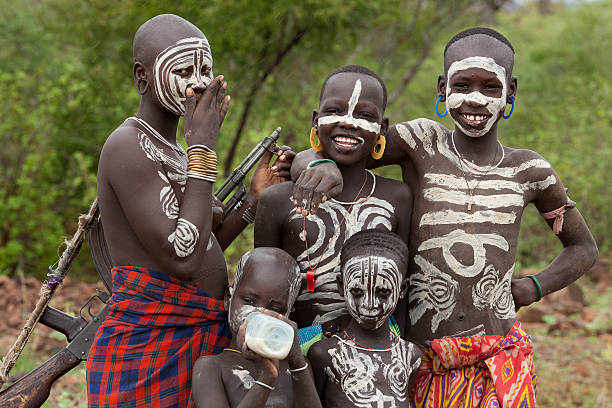
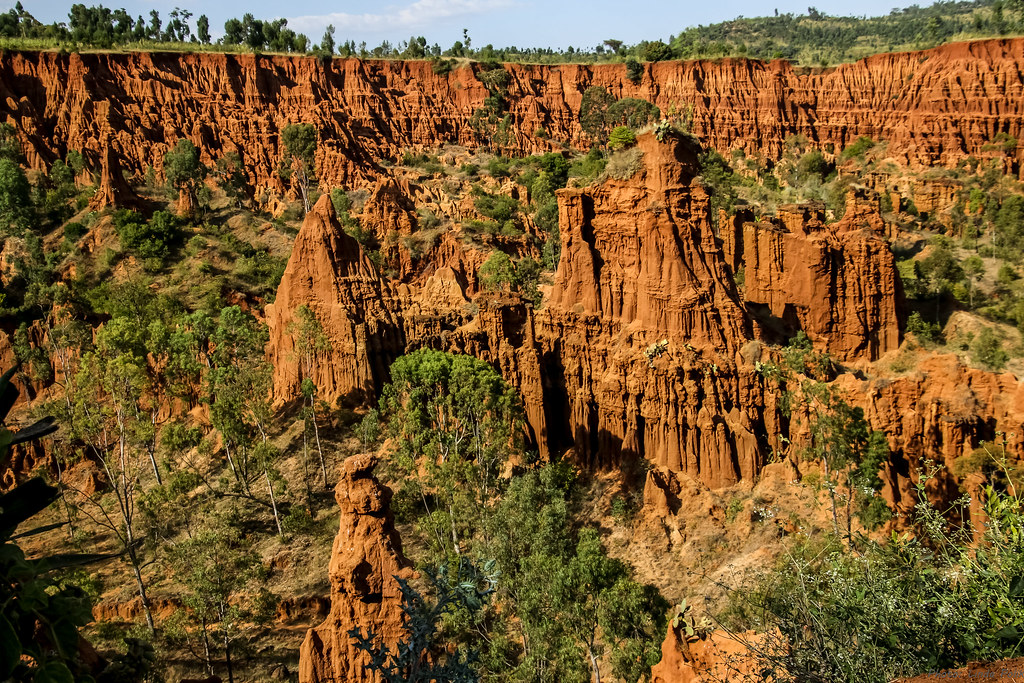
Southern Ethiopia offers an unforgettable journey into the heart of the country’s diverse cultures and natural beauty. The region is a treasure trove of unique tribes, wildlife, and landscapes, making it a haven for cultural explorers, nature lovers, and adventure seekers alike. Whether you’re fascinated by the ancient tribal customs of the Omo Valley or eager to trek through the pristine wilderness of the Bale Mountains, Southern Ethiopia promises a truly authentic experience.
The Omo Valley – Cultural and Ethnic Diversity
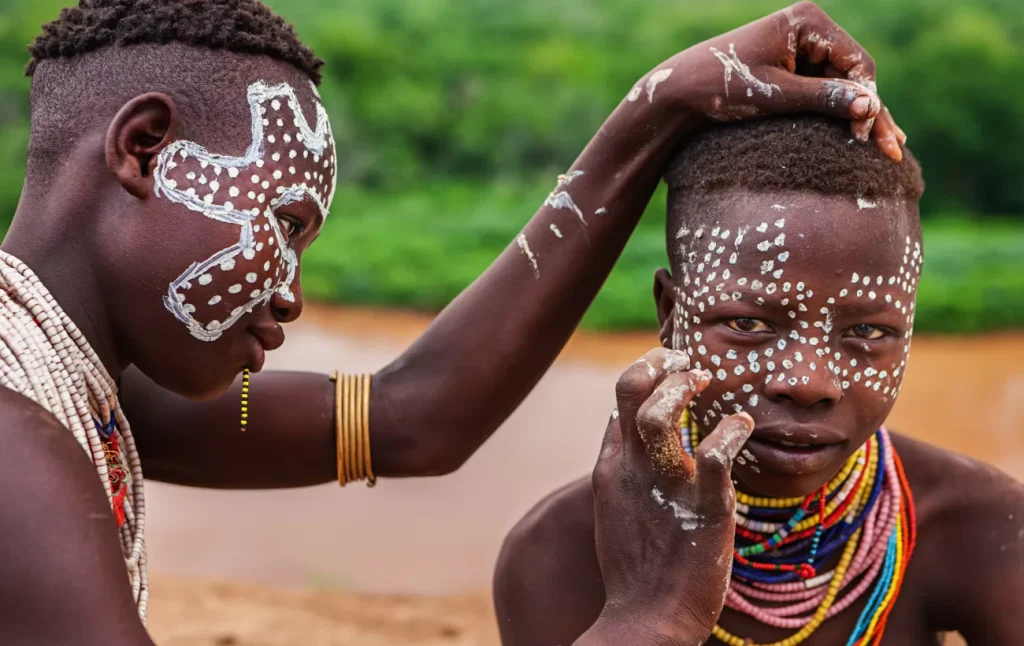
The Omo Valley is one of the most culturally fascinating regions in Ethiopia. It is home to several indigenous tribes, each with unique customs, languages, and traditional lifestyles. These tribes have remained largely unchanged for centuries, making the Omo Valley a living museum of ancient African cultures.
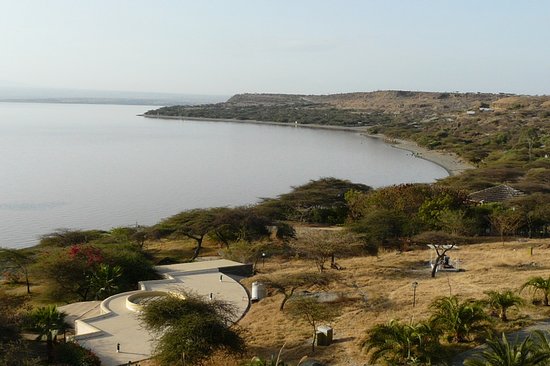
Lake Langano is one of the most accessible lakes in Ethiopia, located in the Great Rift Valley. Known for its beautiful setting surrounded by hills and rich wildlife, it’s a popular spot for relaxation and outdoor activities.
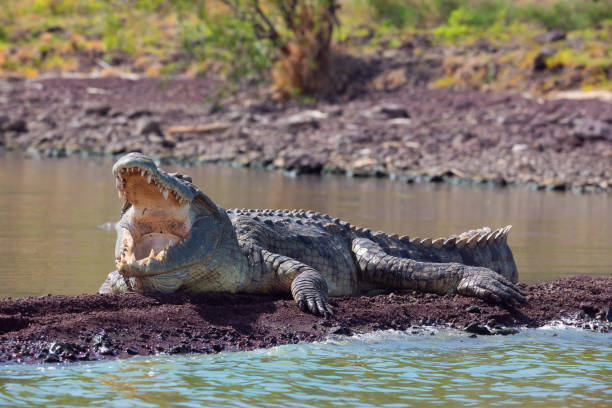
Arba Minch is a town situated at the foot of the Mount Wenchi and near the beautiful Nechisar National Park. It is famous for its proximity to Lake Chamo and Lake Abaya, two stunning lakes that are home to many crocodiles, hippos, and abundant birdlife.
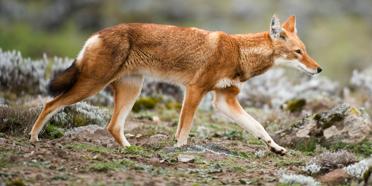
This national park in southeastern Ethiopia is one of the most scenic and ecologically diverse areas in the country. It offers an escape into the highlands, where visitors can hike through alpine meadows, visit remote lakes, and observe endemic wildlife like the Ethiopian wolf.
Jinka is the gateway to Mago National Park, which is home to a number of tribes, including the Mursi and Banna. Jinka itself is a small town that offers insight into life in the Omo Valley.
The Konso people live in the highlands of Southern Ethiopia, and their unique cultural practices, terracing techniques, and rich history have earned them a UNESCO World Heritage designation.